Termite Treatment from Local Providers
Request a written estimate
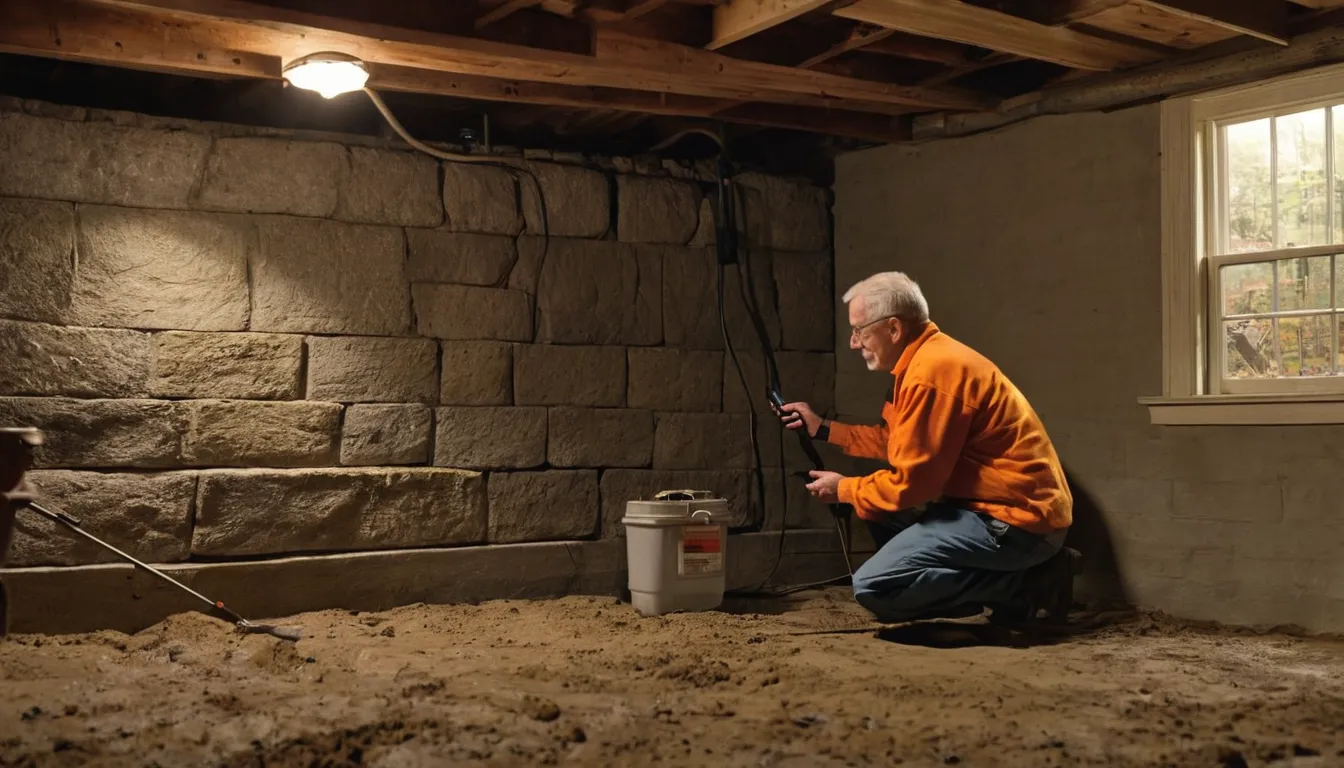
Termites work quietly, usually out of sight. They eat wood from the inside, like a slow leak behind a wall. That is why a small sign, such as a mud tube or a pile of wings, deserves a closer look.
Jonathanshore Pest Control is a referral service. We do not treat homes ourselves. We help homeowners in Stamford and the Stamford area organize photos and notes, then connect them with independent providers in our network. A provider inspects, explains what they found, and gives you a written estimate. This page walks you through the signs, the treatment types, typical prices, and the records worth keeping.
Think You Have Termites? Start Here
Termites are small, and they hide well. Think of them as a leak inside a wall. You may not see the water, but you can see the stain on the ceiling. Termite signs work the same way. You rarely see the insects. You see what they leave behind.
If you searched for an exterminator near me because of a strange sign, you are in the right place. Slow down, look, and write things down. Notes beat guesses.
What to Do Before Anyone Visits
A few simple steps protect both your home and your paperwork.
- Take clear photos of the sign, with a coin or pen beside it for size.
- Do not break open mud tubes or sweep up wings until you have photographed them.
- Skip store-bought sprays. They can scatter the colony and hide the evidence.
- Write down the date, the room, and what you saw.
Why Termites Deserve Prompt Attention
Wood damage builds slowly, but it does not stop on its own. A colony keeps eating whether you notice it or not. Think of a small crack in a windshield. It is easy to fix early, and it spreads when ignored.
In homes with older framing, hidden damage can reach beams, sills, and floor joists. A quick look from a provider costs far less than rebuilding a floor.
Know the Warning Signs
Here is what homeowners most often report. Each one has a simple reason behind it.
Mud Tubes
Subterranean termites need moisture. They build thin tunnels of soil and spit to travel safely. Look along foundation walls, basement beams, and crawl spaces.
Swarmers and Shed Wings
Once a colony matures, winged members leave to start new ones. Piles of small, equal-sized wings near windows or doors are a clue. Ants also swarm, so a photo helps a provider tell them apart.
Hollow or Soft Wood
Termites eat the soft inner wood and leave a thin shell, like an empty eggshell. Tap a suspect board with a screwdriver handle. A papery or hollow sound is worth noting.
Frass and Bubbling Paint
Drywood termites push out tiny pellets that look like coarse sand. Blistering paint or warped trim can point to moisture and tunneling underneath.
Start a Simple Record File
Good records make every later step easier. Keep one folder, on paper or on your phone, with dated photos, short notes, and any provider reports. Add receipts, warranty papers, and repair invoices.
This file helps a provider see how the problem has changed. It also helps if you later talk with your insurance company. Many policies treat termite damage as a maintenance issue, so check your own policy. Providers can often help document damage for a claim.
Types of Termites
Each type lives and eats differently, so treatment differs too.
Subterranean
These live in soil and travel up to the wood. They are common where winters are cold and the ground freezes and thaws. Stone and block foundations give them many tiny entry points.
Drywood
Drywood termites live inside the wood itself and need little moisture. They are less common in cold regions, but they can arrive in furniture or lumber.
Dampwood
These prefer wet, rotting wood. Leaky roofs, damp basements, and spring snowmelt seepage can invite them in.
How Termite Treatment Works
The method depends on the type, the size of the problem, and the house itself. Ask why first, and let the provider explain their choice.
Liquid Barrier
A provider treats soil around and under the foundation. Think of it as a moat that termites must cross. Full basements and slabs may need drilling to reach the soil.
Bait Stations
Stations are placed around the home. Termites carry the bait back to the colony. It works slowly, but it needs less digging.
Spot or Whole-Structure Treatment
Drywood problems may be treated in one area or across the whole house, depending on how far the colony has spread.
What Shapes the Price
Size of the home, foundation type, type of termite, and how far the damage has spread all matter. Ask for a written quote that lists the method, the area covered, and any renewal fees. Get it in writing before you agree to anything.
Termite Inspections for Home Sales
Buyers and lenders sometimes ask for a termite inspection before closing. The report is a record of what a provider saw on that date. Keep a copy.
If you are selling an older home, an early inspection avoids surprises. If you are buying, ask whether any past treatment papers come with the house.
Choosing a Termite Provider
Providers in our network are independent. Compare at least two written estimates. Look for clear answers to these questions:
- What type of termite did you find, and how do you know?
- Which method do you suggest, and why?
- What does the estimate include, and what is extra?
- Is there a follow-up visit or renewal plan, and what does it cost?
A good provider is happy to explain. Be cautious if you feel rushed.
After Treatment
Treatment is the middle of the story, not the end. Keep wood away from soil, fix leaky gutters, and vent crawl spaces. Think of it like locking a door after you have repaired it.
Schedule any follow-up inspections, and add each report to your record file. Damaged wood may need repair by a separate contractor.
If you also see signs of other pests, such as bed bug treatment needs or wildlife removal, those have their own pages. For general residential pest control, start with the main page.
What's Included
Inspection
A provider checks the foundation, basement, crawl space, and framing, then explains what they find in plain words.
Written Estimate
You receive the method, area covered, and price in writing, so you can compare offers.
Treatment Plan
Soil barriers, bait stations, or spot treatments, matched to your termite type and house.
Follow-Up Records
Reports and renewal details you can store with your photos, notes, and other home papers.
Typical Termite Treatment Costs
Prices vary by home size, termite type, and method. These are typical U.S. ranges, not offers. Always get a written quote that spells out what is included.
| Service | Typical range | Notes |
|---|---|---|
| Termite inspection | $75 – $250 | Some providers apply it to treatment |
| Liquid soil barrier | $1,200 – $2,500 | Larger homes and slabs cost more |
| Bait station system | $1,500 – $3,500 | Often includes monitoring visits |
| Spot treatment (drywood) | $250 – $1,000 | For small, confined areas |
| Whole-structure treatment | $1,200 – $4,000 | Depends on size and method |
| Annual renewal or monitoring | $200 – $400 | Ask what the plan covers |
How It Works
Photograph and Note
Capture the sign, the date, and the location. Leave mud tubes and wings in place.
Request Estimate
Tell us about your home and what you saw through the request form.
Compare Writeups
Review each provider's findings, method, and price. Ask why they chose it.
Keep Records
File reports and receipts, and note follow-up dates.
Why Call Jonathanshore Pest Control
Explanations Before Estimates
Providers in our network are asked to explain what they found and why, before talking price.
Organized Records
Photos, notes, and reports in one place make estimates and any insurance talks smoother.
Clear Pricing
Written quotes let you compare methods, coverage, and renewal fees side by side with confidence.
Calm Start
No pressure. Take your time and ask questions.
Other Services
Need termite treatment in Stamford?
Send a few details about your pest problem and request an estimate. A provider in our network can follow up with options and a written quote.
No obligationTermite Treatment FAQ
How do I know if I have termites or ants?
Termite swarmers have straight antennae, thick waists, and wings of equal length. Flying ants have bent antennae, pinched waists, and unequal wings. Take a clear photo and share it with a provider to confirm.
How much does termite treatment cost?
Typical U.S. prices range from about $250 for a small spot treatment to $3,500 or more for a bait system or full-home treatment. Size, termite type, and method all change the price, so get a written quote.
Does homeowners insurance cover termite damage?
Many policies treat termite damage as a maintenance issue and exclude it. Some may cover sudden damage, so check your policy. Providers can often help document damage for a claim.
Tell us what happened
Send a few details about your pest problem and request an estimate. A provider in our network can follow up with options and a written quote.
No obligation